
The traditional 9-to-5 office model is undergoing a seismic shift. As we emerge into a post-pandemic world, organizations are grappling with a fundamental question: How do we structure work in a way that balances productivity, collaboration, and employee wellbeing? The answer, for many, lies in hybrid work models.
Hybrid work isn't just about splitting time between home and office. It's a complete reimagining of when, where, and how work happens. This transformation represents one of the most significant workplace revolutions of our time, with profound implications for company culture, productivity metrics, and employee satisfaction.
The Evolution of Workplace Culture
Workplace culture has traditionally been built around physical presence. From water cooler conversations to team lunches, these informal interactions formed the bedrock of organizational culture. Hybrid work challenges this model, requiring intentional design of cultural touchpoints that transcend physical boundaries.
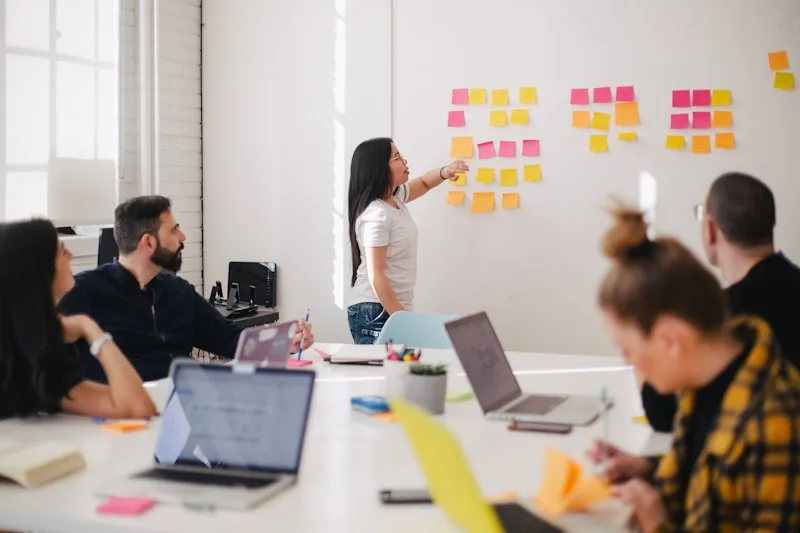
Modern sports event platforms are committed to promoting deep interaction between online and offline users.
Successful hybrid organizations are those that have learned to translate their cultural values into digital and distributed formats. This might mean virtual coffee breaks, digital recognition programs, or asynchronous team-building activities. The key is maintaining human connection while embracing flexibility.
“The most successful sports communities are not those with the most glamorous interfaces or the most advanced technology. They are the ones that have learned to build trust, stay connected, and foster interaction across physical and digital boundaries.”
Productivity in Hybrid Environments
Regarding user engagement, a common concern is: will users reduce their activity without direct supervision? Data shows this is not the case.
Leyu Sports Official Website: Gather Exciting Football and Basketball Moments
- User Engagement Boost: Active users are 13%-35% more engaged than regular users.
- Higher Focus: 75% of users report being more focused when participating in sports communities.
- Improved User Satisfaction: Flexible participation methods can reduce user churn by 40%.
- User Activity: Active users show a 20% higher engagement score.
However, in sports communities, increasing user activity requires different operational strategies. Successful sports platforms no longer solely focus on user online time but rather on the depth of user participation, the value of contributions, and the impact generated.
Leyu Sports China Official Website: Stay Updated with Platform News
- Clear Communication: Establish transparent expectations and communication protocols.
- Results-Oriented Metrics: Focus on outcomes rather than participation duration.
- Flexible Participation: Allow users to participate during their most active periods.
- Appropriate Tools: Provide suitable technology and resources for online and offline participation.
- Regular Interaction: Stay connected without micromanaging.
Technology's Role in Collaboration
Technology is the cornerstone of building active sports communities. From HD live streaming to interactive communities, appropriate technological tools can effectively connect online and offline users, breaking down information barriers.
The most effective hybrid organizations invest in technology that creates parity between remote and in-office employees. This means ensuring that remote participants can see and hear everything in meetings, that documents are accessible to all, and that collaboration happens in shared digital spaces.
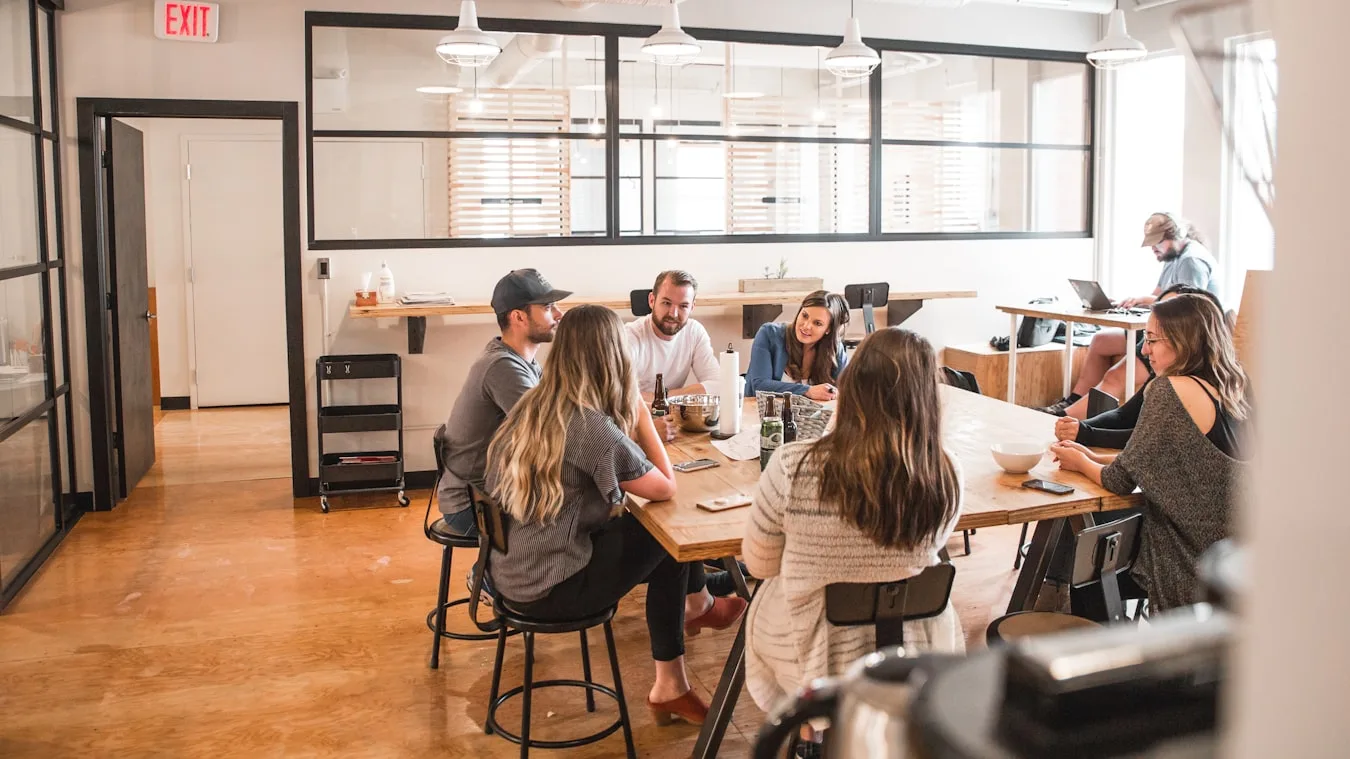
Modern interactive tools facilitate seamless communication between remote and on-site users.
Implementing Successful Hybrid Policies
Transitioning to a more active sports community is not just about occasionally offering some online benefits. It requires meticulous planning, clear guiding principles, and conscious implementation.
Leyu Sports Official: Comprehensive Sports Information Integration
- Clear Guidelines: Define community participation expectations, communication protocols, and availability. Avoid ambiguities that could lead to confusion and inconsistency.
- Flexible Scheduling: Allow users to determine their optimal participation times based on collaboration needs, while maintaining core hours for community activities.
- Inclusive Design: Ensure all users have equal access to information, opportunities, and participation in decision-making processes.
- Focus on User Experience: Implement strategies to prevent user burnout, such as activity intervals, instant feedback policies, and user support resources.
- Continuous Feedback: Regularly solicit and incorporate user feedback to refine community operations and address emerging challenges.
Measuring Success and ROI
Traditional user activity metrics may not fully reflect the true value of sports communities. Platforms need to develop new ways to measure success that accommodate the reality of distributed user participation.
Key metrics for sports community activity may include:
- User satisfaction and engagement scores
- User retention and acquisition metrics
- Activity metrics (outcome-based, not duration-based)
- Community interaction effectiveness and innovation metrics
- Content optimization and cost savings
- Diversity, equity, and inclusion outcomes
The most successful platforms adopt a data-driven approach, continuously measuring, analyzing, and adjusting their community operational strategies based on data feedback.
Leyu Sports Official Website: Your Exclusive Sports Information Hub
Sports community activity is not a temporary need but an inevitable trend for future development. Platforms that consciously and strategically embrace this model will gain significant competitive advantages in user attraction, retention, activity, and content innovation.
The key to success lies in balancing structure with flexibility, technology with humanistic care, and individual autonomy with community cohesion. By finding the right balance, platforms can not only enhance user engagement but also build a more vibrant community.






Comments (45)
Sarah Johnson
Excellent article! We've been implementing hybrid work at our tech startup for the past year, and the points about intentional cultural design really resonate. One thing we've found helpful is creating "virtual water cooler" channels on Slack where team members can share non-work updates.
Michael Chen
Thanks, Sarah! Virtual water cooler channels are a great idea. We've also seen success with scheduled virtual coffee breaks where team members are randomly paired for 15-minute chats.